

Introduction
Iskratel, a Kontron Group company, is a leading European provider of sustainable solutions for the digital transformation of telecommunications, transport, public safety and energy. With its own research and development and manufacturing centers, its development and service centers in 30 locations support customers in more than 50 countries worldwide. With 75 years of experience and combining creativity with innovation, Iskratel is your connection to a sustainable digital future.
Basic Information
| Name of Organization: | Iskratel, d. o. o. |
|---|---|
| Company Size: | > 460 (average age of employee 48) |
| Location: | Kranj, Slovenia |
| Industry: | Information and Communication Technology |
| Form of the Entity: | d. o. o. |
Work Story
Older employees are the heart of the company. Most of them have been with Iskratel since they were students, some even since they were in high school. They are an invaluable source of experience, knowledge, various adventures, and authentic stories. Together with the younger generation, they weave a BOND of many competencies, views, and experiences. Together they complement each other. Their focus is precisely the mutual connection of all generations and the internal and external environment.
Useful Insights
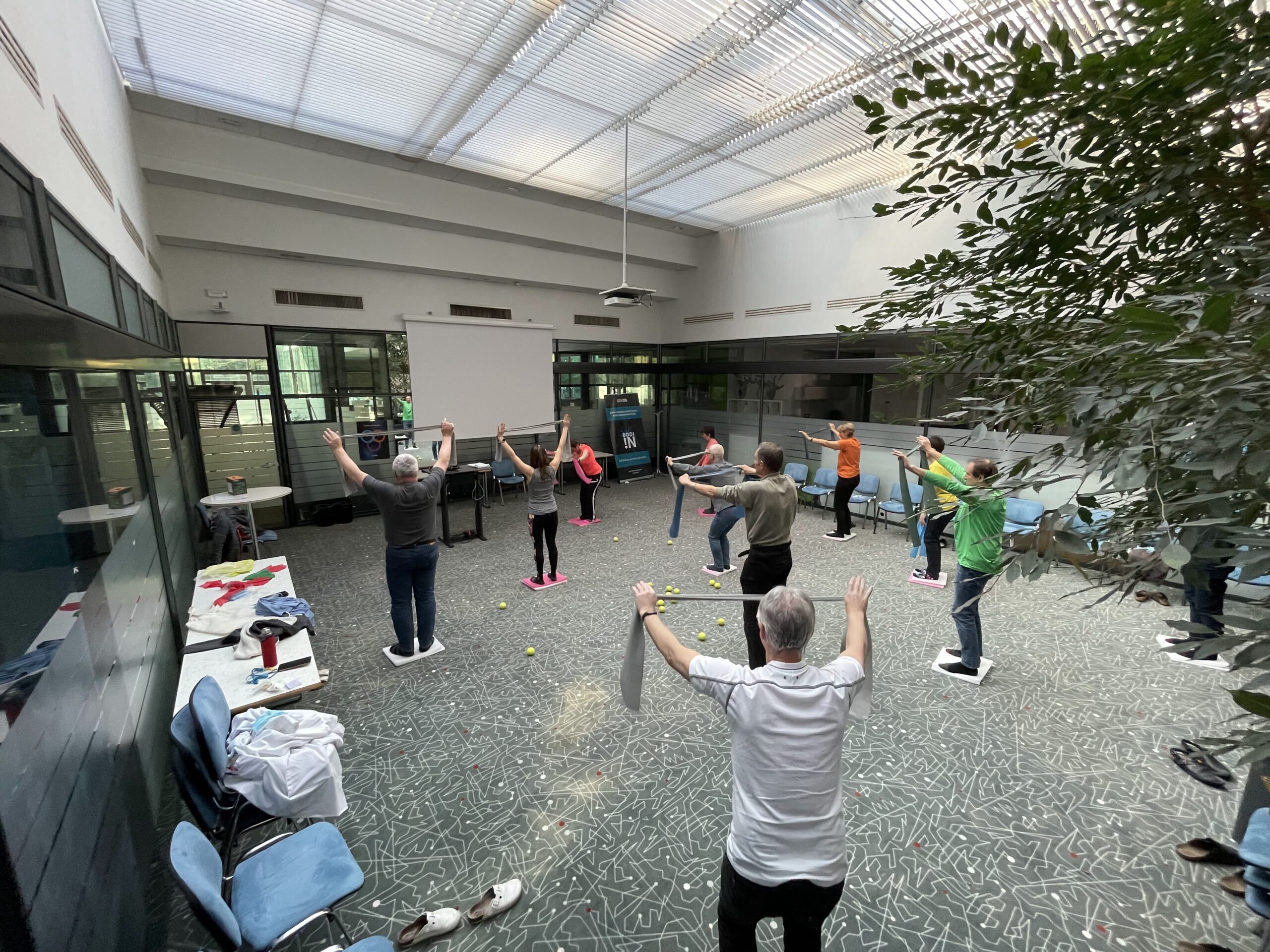
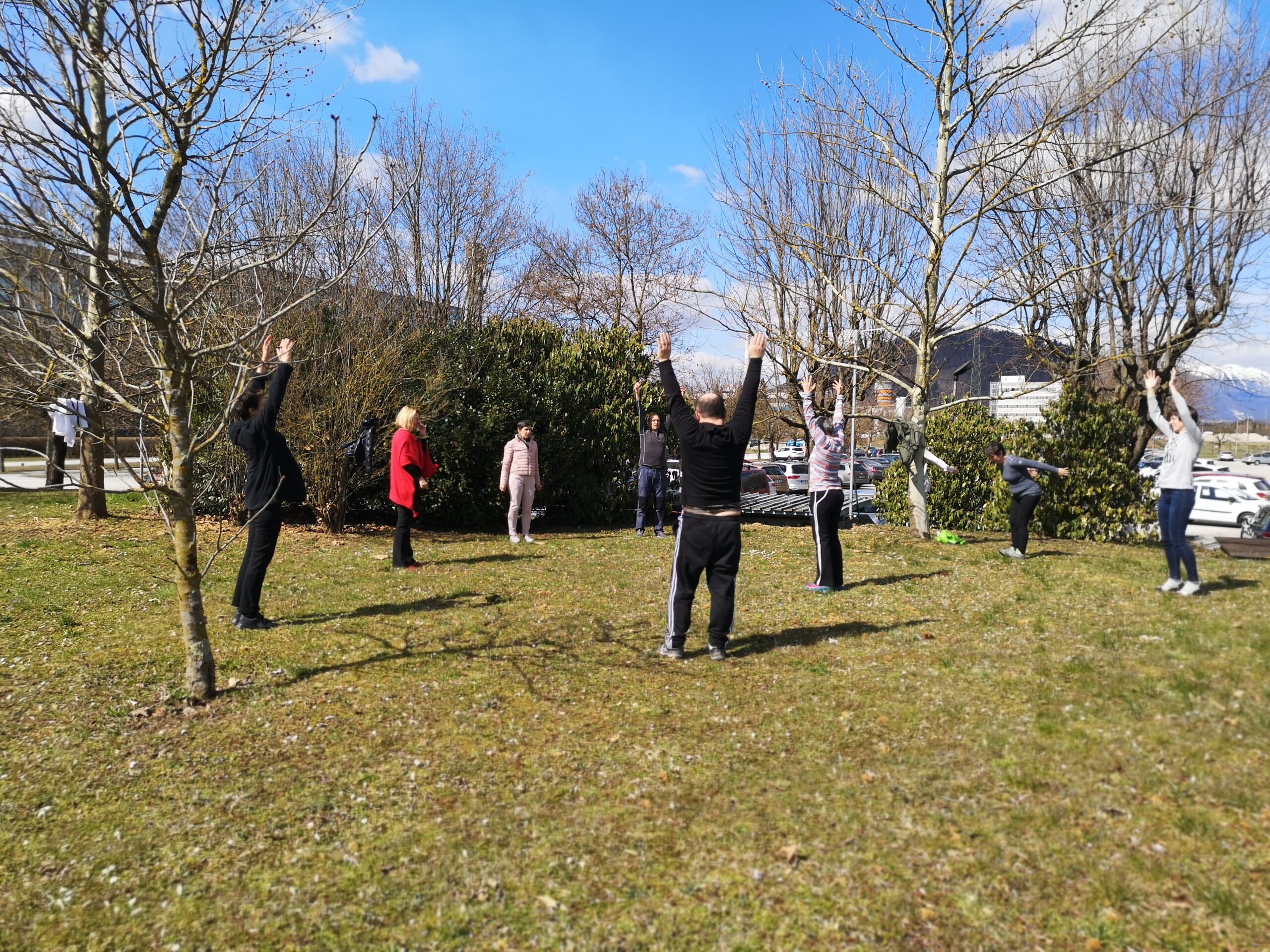
They build the CONNECTING culture in their company on three important elements: Leadership. Energy. Trust. Everything is based on five company values and the right way of communication. People are connected today because they are heard and led by example (they changed the language, learned to accept changes and communicate them) because they know and recognize the importance of their work in relation to the realization of the company’s vision. They found that to achieve the desired changes in culture, it is necessary to change communication, especially internally. So, they started with the values and strategy of the company and involved all employees in this. A special focus is on elderly employees: a celebration of jubilees (working years, 30 and 40 years – thanks from the management, lunch and attention); Friday exercise (care for health, spine…); Iskratel’s Sports Committee (afternoon activities, summer and winter sports, use of sports facilities in the local area); Iskratel’s cultural committee (events in the local and wider environment); ”WUM” (lectures by experts on various fields: health, the importance of movement and healthy eating, commitment and motivation…); 6 to 8 times a year (motivational lectures for empowerment and even greater two competencies); involving the elderly in interviews (publicity) and internal events – past and present practice; work then and now, decades of experience, Iskratel through time and different periods… – maintaining ties with pensioners – involvement in events, publicity, etc.
Ideas for Reflection
In Iskratel, they constantly highlight mutual cooperation, the exchange of good practices, different experiences, and constructive debate. It is important that colleagues get to know each other, share knowledge and different experiences – generations among themselves. They strive for an intergenerational flow of knowledge, experience, views and ideas. Innovation is the glue for connecting several generations and encouraging intergenerational cooperation both inside and outside the work environment. As an innovative company that has curiosity written down among its core values, and innovation is the competence of all Iskratel women and men (regardless of age, position and field), they are aware of its power and influence, which is why they plan to develop a creative environment and a culture of innovation.
Keywords
Iskratel, iskratel team, intergenerational cooperation, connected, elderly friendly company, digitalisation, family-friendly company, commitment to the society, diversity, employees

 AGEADAPT project has been funded by the European Union, with the reference number 2021-1-DE02-KA220-ADU-000033518. Views and opinions expressed are however those of the author(s) only and do not necessarily reflect those of the European Union or the European Education and Culture Executive Agency (EACEA). Neither the European Union nor EACEA can be held responsible for them.